
Guides
Prism Siege: movement first, upgrades next
Find your footing in Zarocer’s geometric survival game. Learn the controls, build useful upgrade combinations and resume your run.
October 8, 2026 · ZarocerRead guide
Practise Target Archery by separating wind correction from draw timing. Use the repeatable tournament, read both wind axes and compare your shots.
By Zarocer · October 11, 2026 · 7 min read
A missed shot in Target Archery can come from several different decisions. Your aiming point may be wrong for the current wind, your draw may be too short, or you may hold beyond useful tension and introduce fatigue. If you change all those decisions after every miss, the next result will be difficult to interpret. A more useful practice method separates aim from release timing and changes one variable at a time.
This guide concerns Zarocer's arcade Target Archery, not real archery instruction. The published game provides mouse, keyboard and touch interaction, a tournament with a repeatable sequence, and a daily challenge with wind shared by UTC date. Twelve shots form a round, and at least eighty of the available one hundred and twenty points are required to win. Those native rules provide the structure for a practice session without promising a perfect score.
The wind affects horizontal and vertical impact. Correcting only to the left or right can therefore leave a shot high or low even when its sideways error improves. Before drawing, inspect the current wind rather than reusing the previous arrow's aiming point. The cue belongs to this shot. A successful correction on one arrow is not evidence that the same offset will be appropriate for the rest of the round.
Think of the aiming adjustment as opposing the visible wind on each axis. That describes the direction of the correction, not a universal number of pixels to move. The exact visual adjustment depends on what the game currently shows and the result you observe. Avoid importing a formula from another archery game whose physics and controls may be different. Here, the useful starting information is the native wind cue and your previous impact under comparable conditions.
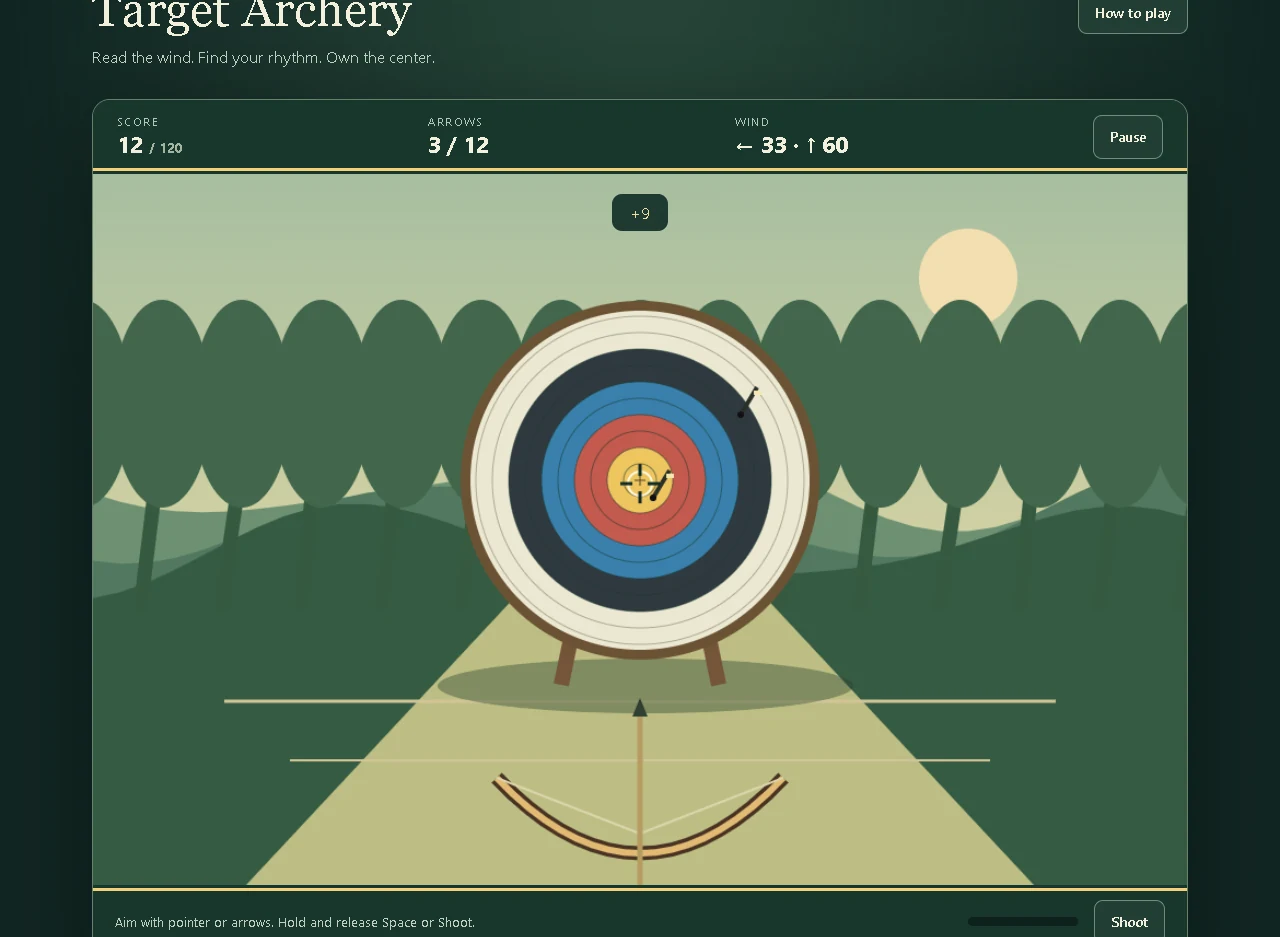
A short draw adds its own offset. Holding after full tension adds fatigue rather than making the shot indefinitely more accurate. This creates a practical middle task: release at a controlled, repeatable moment. The reviewed behavior suggests practising a release near one second before trying to solve every miss with a larger movement of the sight. Treat that as a starting rhythm to observe, not a guaranteed timing threshold for every input device.
During an initial practice round, pay attention to the tension cue and the moment you release. If you repeatedly hold much longer after seeing a difficult wind, you are changing two things at once. You may attribute the miss to insufficient aim correction when fatigue was also involved. Learning a repeatable draw makes later aiming comparisons clearer because one important source of variation is no longer changing unpredictably between shots.
The tournament's repeatable wind sequence offers a useful place to compare decisions. Return to a familiar shot in that sequence and keep your release rhythm similar. Change the aiming adjustment modestly, then observe whether the impact moves in the expected direction. This is an ordinary gameplay experiment, not a claim that the game produces a laboratory benchmark. Its value lies in giving you a more consistent problem to inspect.
A practical note can be very simple: “With a similar release, this aiming point landed left of the center.” The next adjustment should follow that observation instead of becoming a complete reset of your technique. You do not need to record user data, alter saves or compare online results to learn from the sequence. Use the result displayed by the game and keep the explanation focused on the shot you actually made.
After an arrow lands away from the center, first identify whether the wind has changed for the next arrow. Moving the sight directly opposite the last miss may be inappropriate when the new wind points elsewhere. The previous impact is information about a previous situation. It becomes useful for the current shot only when you compare the relevant conditions instead of treating every arrow as the same problem.
This is especially important when a miss encourages a large emotional correction. A moderate adjustment with a clear reason is easier to learn from than moving the sight a long distance because the previous score was disappointing. Ask whether you are correcting a consistent offset, adapting to a new wind, or compensating for a release you already know was uneven. The answers suggest different actions even if the visible miss looks similar.
The published build supports mouse, keyboard and touchscreen controls. Read the individual game page and the native instructions for the input you are using. Moving a pointer, using keys and placing a finger on a smaller display create different practical conditions for following the sight. The core scoring rules remain the same, but your comfort with the interaction can influence how repeatably you aim and release.
On a phone, give the target enough visible space before judging your accuracy. Use the supported player view and orientation rather than assuming that a tiny embedded area is the intended final layout. A finger can obscure part of the cue you are reading, so take time to understand where the interaction occurs. This is a usability consideration, not a reason to claim that the mobile version has different wind physics or a separate scoring system.
The round is not decided by the first arrow. A low opening score still leaves opportunities to practise a more consistent sequence of decisions. Consider how the twelve-shot total develops, but avoid turning every subsequent arrow into an attempt to recover all lost points immediately. That urgency can lead to an exaggerated draw or an aiming correction that ignores the current wind.
The eighty-point win condition gives the round a defined objective. It does not mean you must achieve exactly the same score on every shot. Review which arrows were dependable and which exposed a specific weakness. A practice round can be useful even when it falls short of the win threshold, provided you can identify the next adjustment. A winning round can still reveal an inconsistent technique that becomes visible under a different wind sequence.
The daily challenge uses a wind sequence associated with the UTC date. That makes it a dated native challenge rather than a promise of a functioning global ranking. The reviewed release explicitly keeps global ranking disabled. Local records and any labels inside the game should not be expanded into a claim that results are being compared publicly with other accounts.
If you want to practise a specific shot repeatedly, the tournament is the clearer reference because its sequence is repeatable. If you want a dated set of conditions, choose the daily mode. Keep those intentions separate when interpreting a result. A score from a different sequence does not establish that your release timing improved or worsened unless you also consider the conditions under which the shots were taken.
Target Archery includes local saving. Return through the same browser profile and domain when you want to retain supported records. Clearing site data, moving to another browser or switching to another portal can change what is available. The game's presence in Favorites makes it easier to find; it does not back up its internal results or transfer them between devices.
This guide does not recommend importing, editing or resetting saved scores as a practice technique. Normal play provides enough information to compare a release or aiming choice. Preserve a record you value, and read the native settings before using any option that might remove it. Keeping the distinction between a useful local record and a competitive service avoids expectations that the current release does not support.
Use one round to establish a comfortable release rhythm. Use another to watch horizontal correction while still checking vertical wind. Then examine a familiar tournament shot with both axes in mind. The plan is intentionally gradual: each round has a question you can answer from the visible results. If a condition changes, acknowledge it instead of pretending that every difference in score came from the one skill you meant to practise.
Open Target Archery for the current controls and published version, then compare other precision games in Sports when you want a different challenge. Minigolf emphasizes angles and power along a course; curling and other aiming formats have their own rules. Shared category membership does not make their timing identical. Return to the archery target with a clear sequence: read the wind, set the sight, draw consistently, release, and interpret the impact before the next arrow.
Find your footing in Zarocer’s geometric survival game. Learn the controls, build useful upgrade combinations and resume your run.
October 8, 2026 · ZarocerRead guide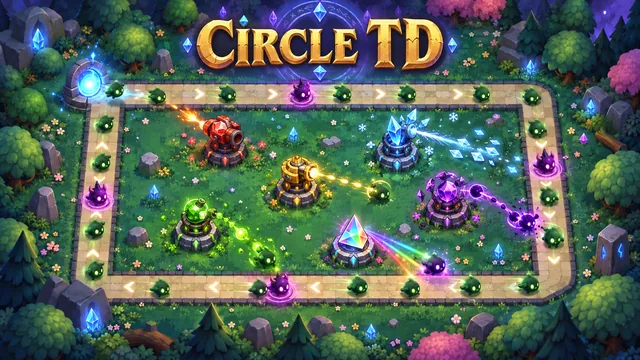
A practical first stop before defending the Circle: explore the native guide, choose your mode and return to a saved match.
October 8, 2026 · ZarocerRead guideUnderstand what a favorite saves, how Continue Playing works and why game progress stays with your browser.
October 8, 2026 · ZarocerRead guideUse the game’s supported devices, touch controls and screen orientation to make your next mobile session more comfortable.
October 8, 2026 · ZarocerRead guide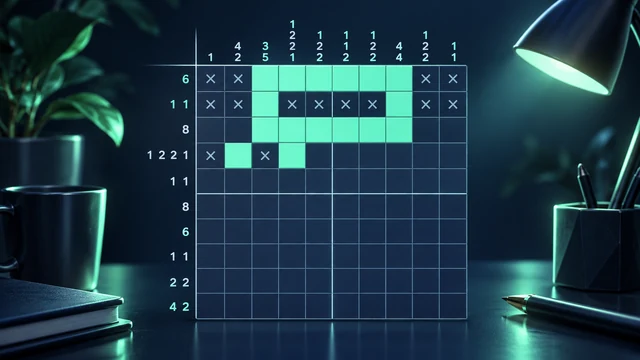
Compare Nonogram Atelier, Hitori and Futoshiki through worked deductions, real controls and different rules. Choose your next logic puzzle on Zarocer.
October 11, 2026 · ZarocerRead guide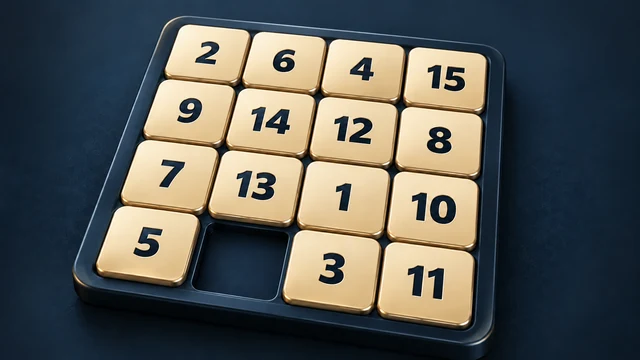
Plan the gap, protect solved rows and handle the final tile pairs in Zarocer’s 15 Puzzle. A practical sliding-puzzle strategy with a real board capture.
October 11, 2026 · ZarocerRead guideRead Circle TD’s closed circuit, surviving enemies and upcoming waves. Learn how to evaluate tower coverage, targeting and upgrade decisions.
October 11, 2026 · ZarocerRead guide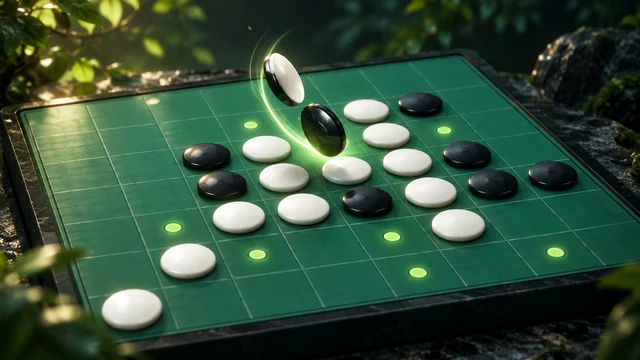
Look beyond the biggest flip in Reversi. Understand corners, mobility, frontier discs and endgame decisions with the playable Zarocer version.
October 11, 2026 · ZarocerRead guide
Search the center letter, understand the seven-letter bonus and use the curated answer list in Zarocer Letter Hive. Includes practical examples.
October 12, 2026 · ZarocerRead guide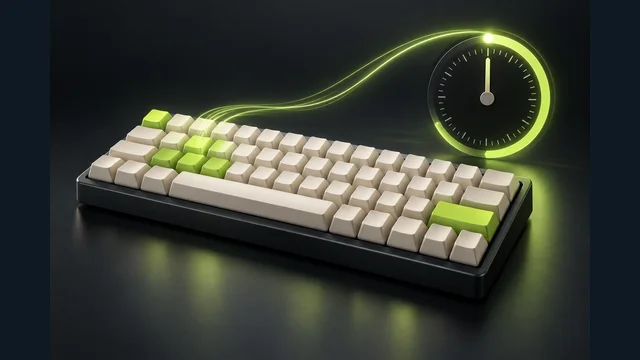
Learn how errors affect Typing Speed Race scores, read characters per minute correctly and compare practice attempts under consistent conditions.
October 12, 2026 · ZarocerRead guide
Find precise families in Word Quartets, check overlapping concepts and interpret near-miss feedback without wasting your four mistakes.
October 12, 2026 · ZarocerRead guide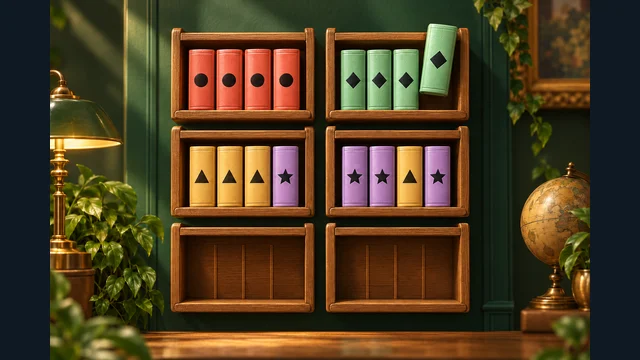
Plan legal book transfers in Shelf Sorting. Read exposed symbols, protect working space and use a concrete sequence to uncover a new empty shelf.
October 12, 2026 · ZarocerRead guide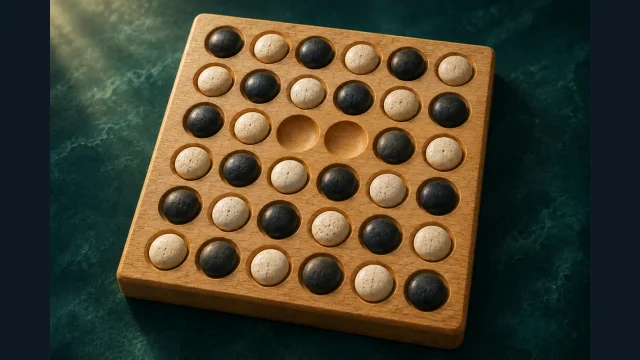
Learn the opening removals, straight capture chains and legal landing spaces in Zarocer’s 6×6 Kōnane. Plan for your next jump, not a capture score.
October 12, 2026 · ZarocerRead guide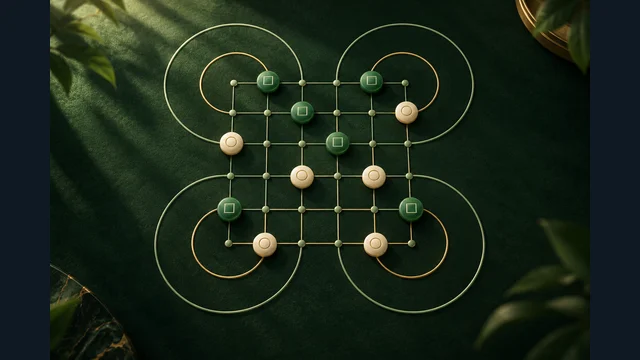
Trace legal loop captures in Zarocer Surakarta, identify blockers and compare landing positions. Includes Beta status and digital-rule boundaries.
October 12, 2026 · ZarocerRead guide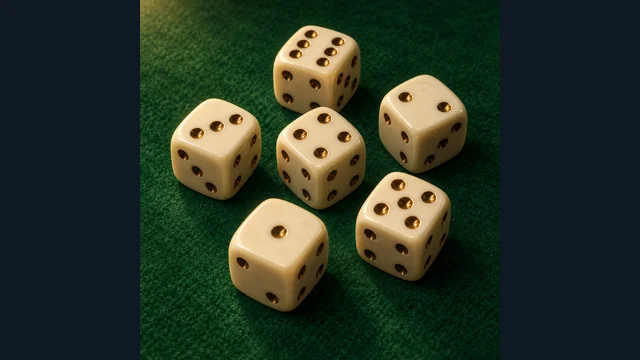
Understand banking, hot dice and one-die risk in Zarocer’s solo Farkle: ten turns, a 5,000-point goal and no straight or pair bonuses.
October 12, 2026 · ZarocerRead guide