Guides
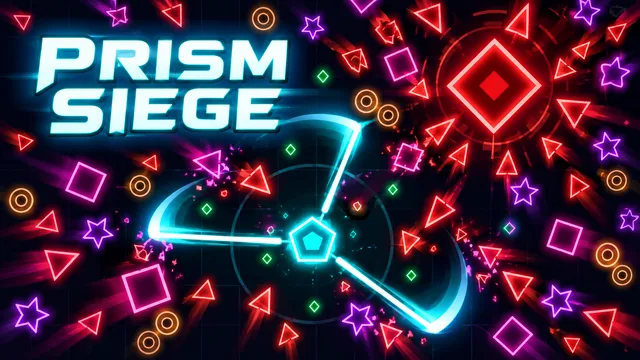
Prism Siege: movement first, upgrades next
Find your footing in Zarocer’s geometric survival game. Learn the controls, build useful upgrade combinations and resume your run.
October 8, 2026 · ZarocerRead guide
Learn the opening removals, straight capture chains and legal landing spaces in Zarocer’s 6×6 Kōnane. Plan for your next jump, not a capture score.
By Zarocer · October 12, 2026 · 6 min read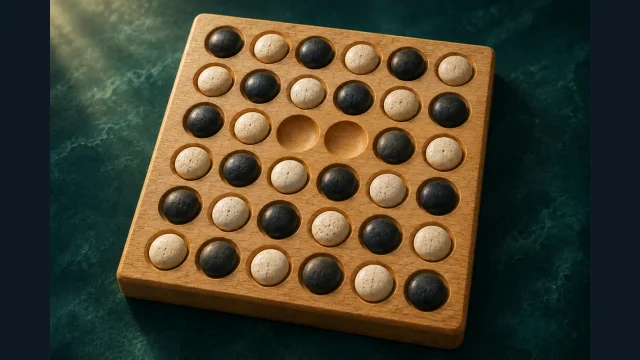
Kōnane is a Hawaiian strategy game in which the player unable to jump loses. Zarocer's modern edition uses a six-by-six board of alternating black and white stones. Captures remove opposing stones, but they are not points. Taking more stones does not by itself prove that you are winning. A large capture can leave you without a useful landing space or open a route for the opponent. The relevant question is whether you will still have legal jumps when your next turn arrives.
This guide describes the published digital rules, not every historical board size or regional convention. Kōnane has a cultural identity of its own; calling it ordinary checkers obscures the compulsory capture structure and unusual opening. Use the interactive lesson to see the opening and first capture in this edition. Then inspect the board's empty spaces and remaining stones together. A stone is useful when it can participate in a legal future jump, not merely because it remains on your side of the board.
Black begins by removing a highlighted corner or center stone. White then removes an adjacent stone. Those removals create the first empty spaces, which make jumping possible on a board that initially has none. Follow the highlighted legal choices rather than assuming that any stone can be removed. The opening is a specific phase. Once ordinary play begins, removing a stone by clicking it is not an alternative to making a capture. Every subsequent turn needs a legal jump over an opposing stone.
As a beginner, compare what each permitted opening exposes. Which stones could jump into the gap, and which player would use them? You do not need to memorize a named opening to ask those questions. The aim is to connect the removal with the next move rather than treat it as decoration before the real game. Avoid claiming one opening is unbeatable from a small number of computer matches. A successful practice game supplies an example to inspect, not a solved strategy for every possible response.
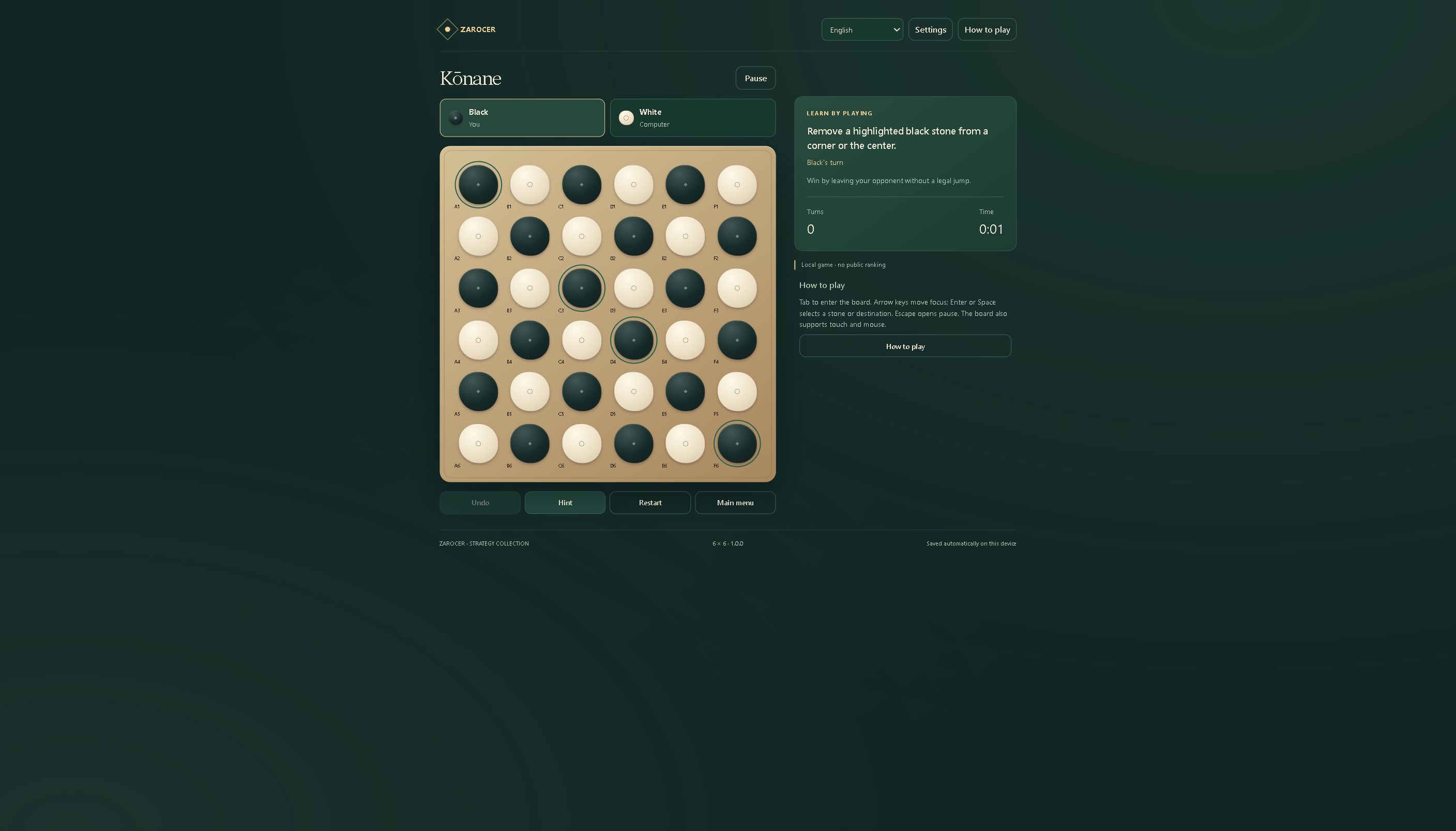
A legal jump needs your stone, an adjacent opposing stone and an empty landing point beyond it in the same straight line. There are no diagonal jumps. If either the intervening stone or the empty destination is missing, the move is unavailable. Count these ingredients together. It is easy to look at an opponent's stone and imagine a capture without checking the landing square. That mistake becomes more common as the board empties and long visual lines suggest moves that are not actually connected by legal jumps.
Use coordinates mentally if it helps. In an invented row, your stone at column one, an opposing stone at column two and an empty column three allow a jump from one to three. Your stone now occupies column three and the captured stone disappears. If an opposing stone sits at column four and column five is empty, continuing in the same direction may be possible. The example teaches the spacing rule. It is not a live board position or a promise that choosing the longer move is strategically best.
You may chain captures in one direction and stop at an earlier legal landing point. You cannot turn during that sequence. This choice is central to planning: the farthest available destination is not automatically the best one. A shorter jump can preserve an opposing stone that you will need to jump later, keep your own stone near another route, or avoid giving the opponent a useful gap. Test the resulting position rather than using the number of removed stones as your only evaluation.
When comparing two endpoints, look at your opponent's immediate reply. Could they use the spaces you just opened? After their likely jump, will you have another move? This modest two-turn lookahead is more informative than surveying every capture on the board without a plan. It is also realistic for a first game. You are not required to calculate the complete endgame before moving. Begin by making sure your chosen endpoint has a reason beyond the attractive animation of a longer capture.
An empty point can help either side. Clearing a lane may free one of your stones while simultaneously allowing an opponent to jump into the same region. Before opening it, consider who gets to move next. Likewise, a cluster of your own stones can look secure but offer little mobility if the opponent's stones and landing gaps do not align. Material and space interact. Count legal moves where the game permits them, then consider how the next capture changes that count.
Do not assume that a stone with no move now is useless forever. An opponent's jump can create an empty landing point and activate it later. The opposite can happen when a capture removes the only opposing stone available to jump. This is why a static count is only a snapshot. Use it as a starting point for thinking about changes. A useful question after each turn is which route just appeared or disappeared, and whether its timing favors the player about to move.
Choose among three computer difficulties or pass one device between two players. The fixed challenge uses the Expert computer. These are distinct ways to play; same-device play is not remote multiplayer. If you want to discuss a position with a friend, the shared-device mode can be useful, but agree whether you are analysing together or competing before using hints. An assisted learning session and an independent match ask for different kinds of decisions, even when they use the same board.
Hints, undo and restored games support local learning and are excluded from competitive candidacy. Use undo to inspect the consequence of an endpoint: take the longer jump, name the reply it permits, then compare the shorter endpoint. That is an analysis exercise, not evidence that the interface will let you undo a verified competitive result. Local saves use the same browser and domain. Keep storage available when returning, and do not confuse a portal favorite with a copy of the game's saved position.
When you lose, find the turn after which your legal jumps disappeared. Was a landing space filled, a needed opposing stone removed, or your last mobile piece moved into a dead end? That cause is more actionable than deciding you should simply capture faster. When you win, perform the same review from the other side. Identifying the constraint that ended the match helps you recognize similar positions without inventing a universal tactic. Some games will still surprise you because the next reply changes several routes at once.
For another abstract strategy system, try Surakarta, where ordinary movement and loop-based capture follow different rules. Do not transfer Kōnane's compulsory straight-jump assumptions to that board. The comparison is useful precisely because it makes you read how each game defines a legal move. In Kōnane, begin with the opening removals, inspect landing spaces, compare capture endpoints and preserve a future jump. A modest capture that leaves you mobile can be more valuable than a dramatic sequence that ends your options.
Find your footing in Zarocer’s geometric survival game. Learn the controls, build useful upgrade combinations and resume your run.
October 8, 2026 · ZarocerRead guide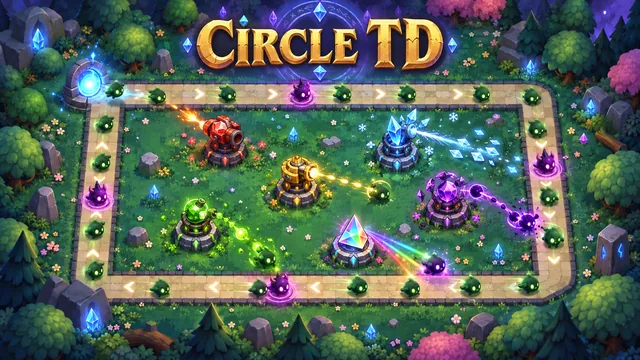
A practical first stop before defending the Circle: explore the native guide, choose your mode and return to a saved match.
October 8, 2026 · ZarocerRead guideUnderstand what a favorite saves, how Continue Playing works and why game progress stays with your browser.
October 8, 2026 · ZarocerRead guideUse the game’s supported devices, touch controls and screen orientation to make your next mobile session more comfortable.
October 8, 2026 · ZarocerRead guide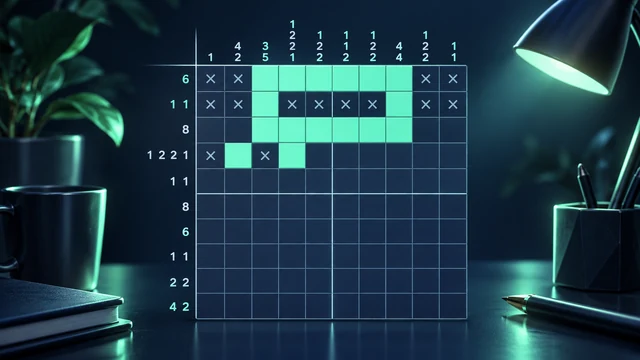
Compare Nonogram Atelier, Hitori and Futoshiki through worked deductions, real controls and different rules. Choose your next logic puzzle on Zarocer.
October 11, 2026 · ZarocerRead guide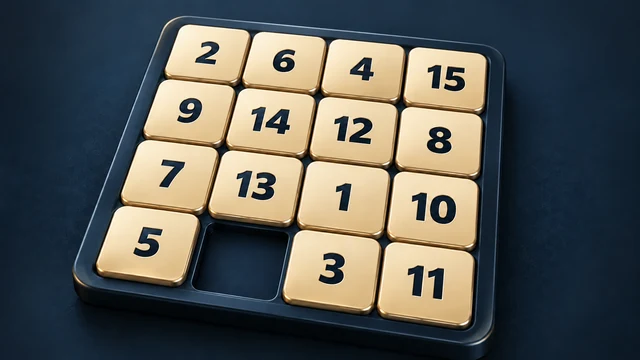
Plan the gap, protect solved rows and handle the final tile pairs in Zarocer’s 15 Puzzle. A practical sliding-puzzle strategy with a real board capture.
October 11, 2026 · ZarocerRead guideRead Circle TD’s closed circuit, surviving enemies and upcoming waves. Learn how to evaluate tower coverage, targeting and upgrade decisions.
October 11, 2026 · ZarocerRead guide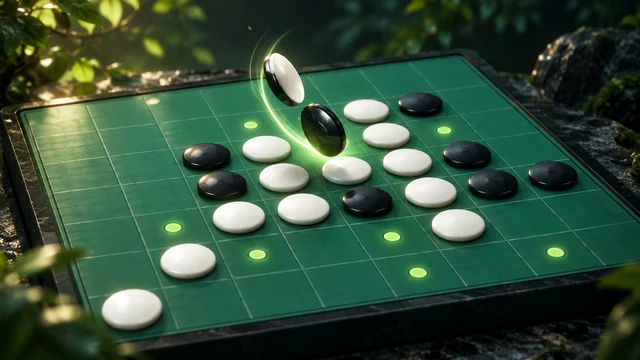
Look beyond the biggest flip in Reversi. Understand corners, mobility, frontier discs and endgame decisions with the playable Zarocer version.
October 11, 2026 · ZarocerRead guide
Practise Target Archery by separating wind correction from draw timing. Use the repeatable tournament, read both wind axes and compare your shots.
October 11, 2026 · ZarocerRead guide
Search the center letter, understand the seven-letter bonus and use the curated answer list in Zarocer Letter Hive. Includes practical examples.
October 12, 2026 · ZarocerRead guide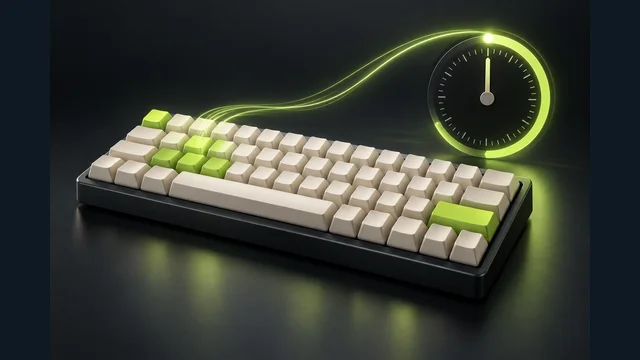
Learn how errors affect Typing Speed Race scores, read characters per minute correctly and compare practice attempts under consistent conditions.
October 12, 2026 · ZarocerRead guide
Find precise families in Word Quartets, check overlapping concepts and interpret near-miss feedback without wasting your four mistakes.
October 12, 2026 · ZarocerRead guide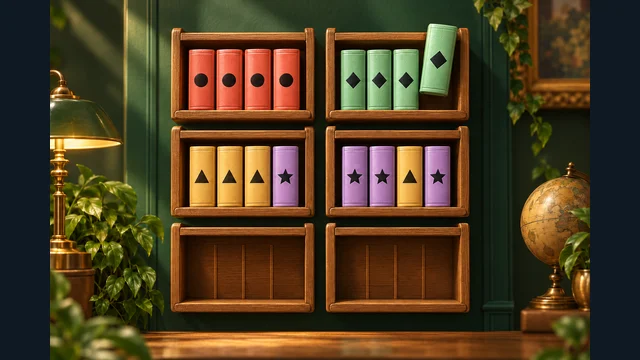
Plan legal book transfers in Shelf Sorting. Read exposed symbols, protect working space and use a concrete sequence to uncover a new empty shelf.
October 12, 2026 · ZarocerRead guide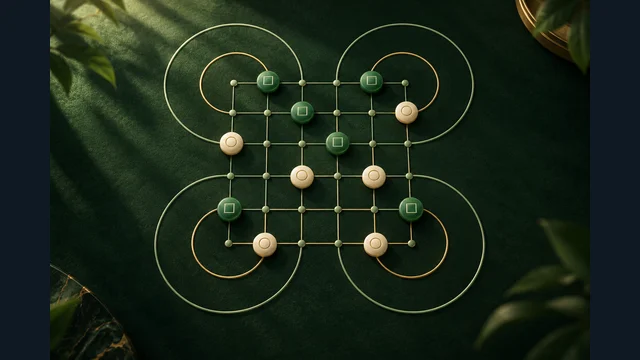
Trace legal loop captures in Zarocer Surakarta, identify blockers and compare landing positions. Includes Beta status and digital-rule boundaries.
October 12, 2026 · ZarocerRead guide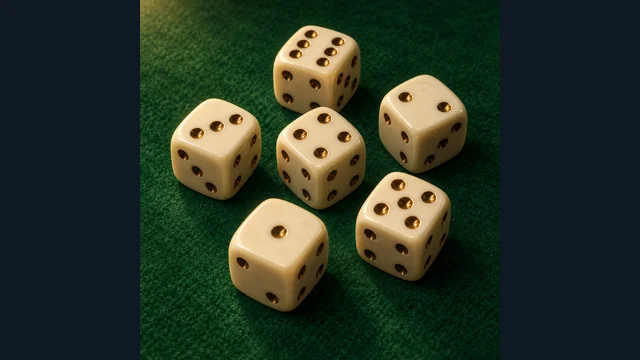
Understand banking, hot dice and one-die risk in Zarocer’s solo Farkle: ten turns, a 5,000-point goal and no straight or pair bonuses.
October 12, 2026 · ZarocerRead guide