
 NewThe Curiosity Cabinet
Puzzle
68 published games · real catalog
NewThe Curiosity Cabinet NewLumen Pairs
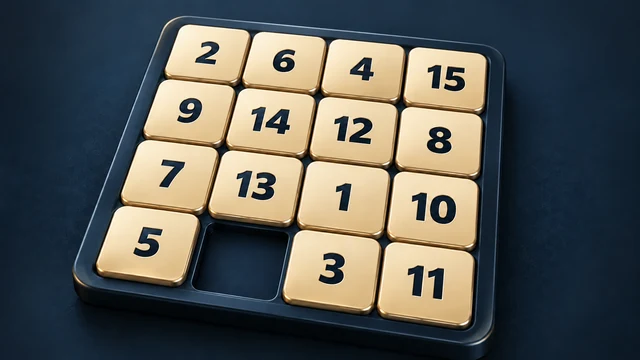 NewFifteen: 15 Puzzle
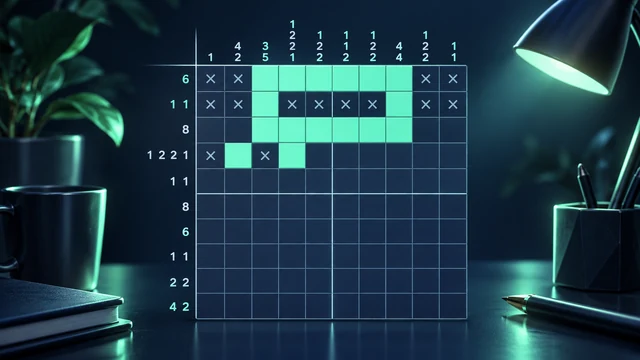 UpdatedNonogram Atelier
 NewPipe Connect
 NewMosaic Trio
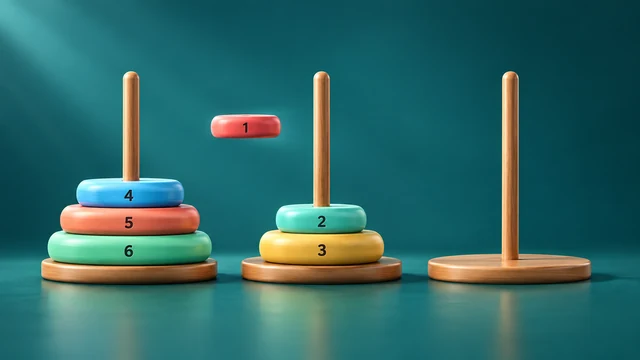 UpdatedTower of Hanoi
 NewLight Grid
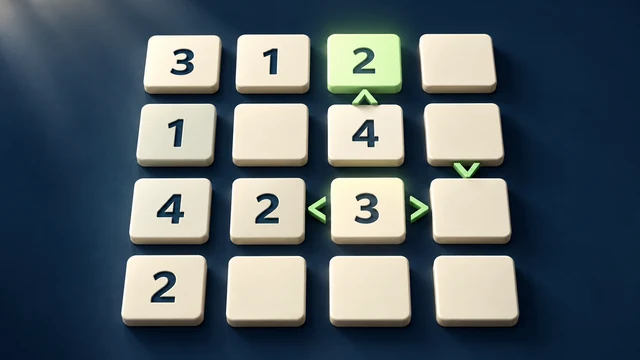 NewFutoshiki
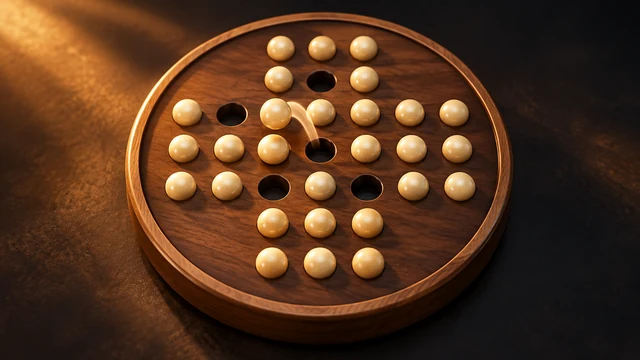 NewPeg Solitaire
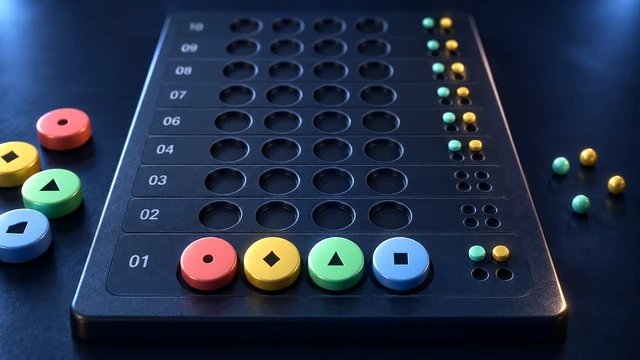 NewCode Breaker
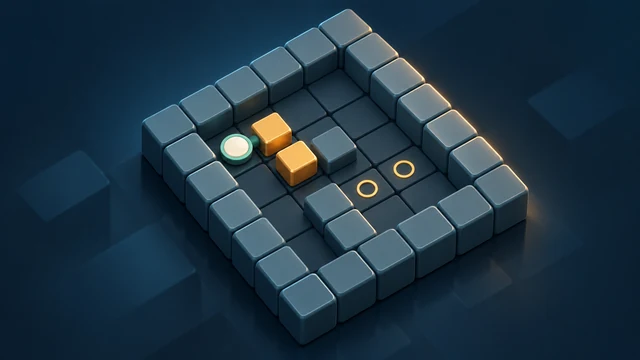 NewBox Pusher
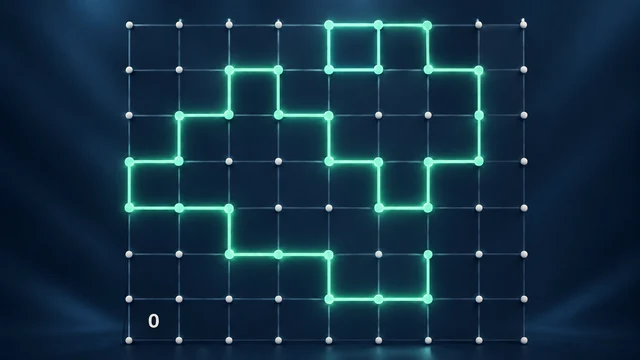 NewOne Loop
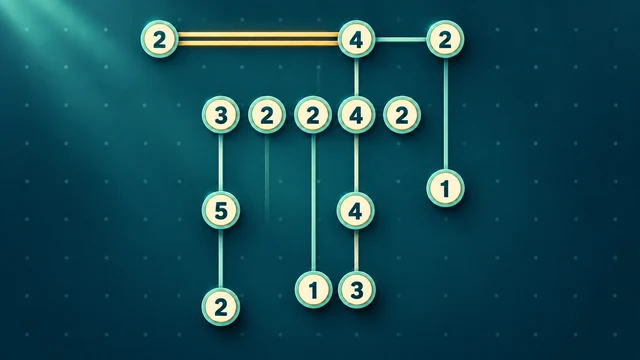 NewIsland Bridges
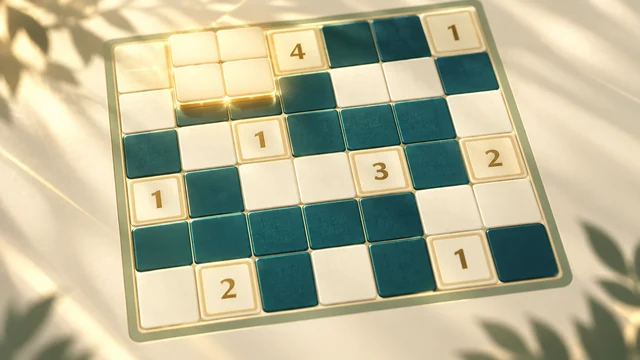 NewNurikabe: Islands & Sea
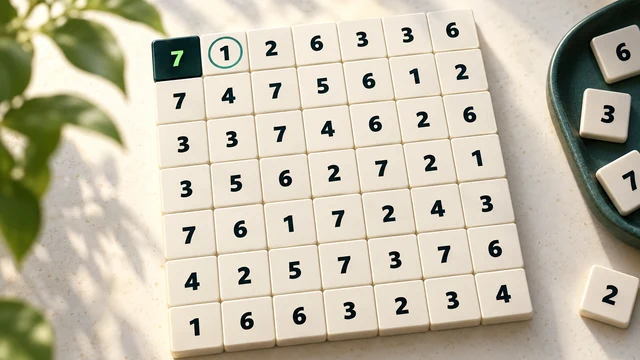 NewHitori
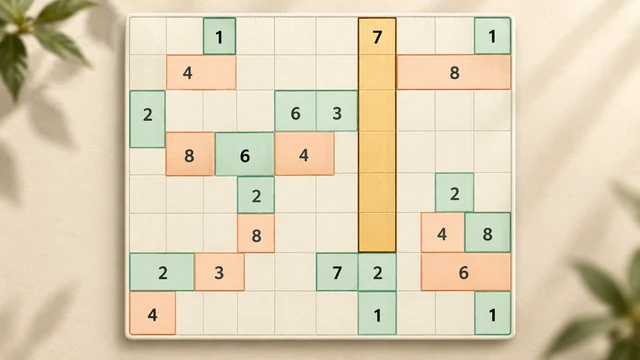 NewRectangle Atlas
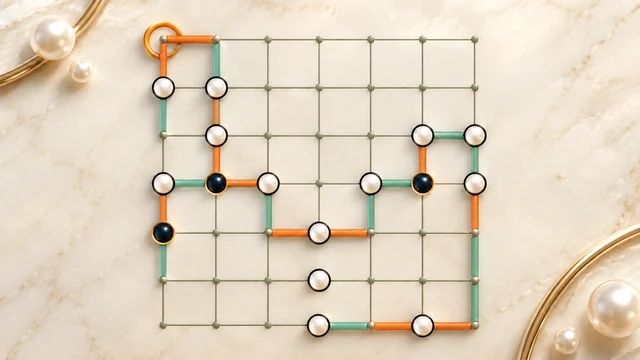 NewPerla Loop
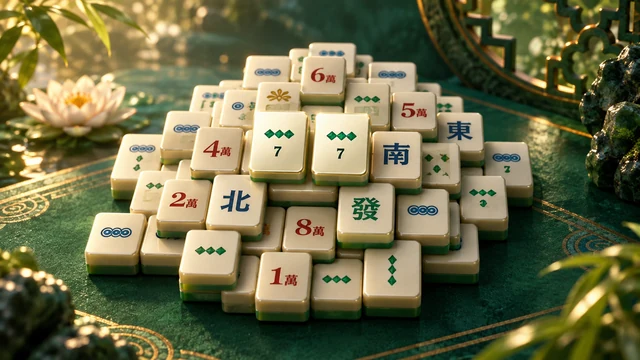 NewMahjong Solitaire
 NewPrism Pop: Bubble Shooter
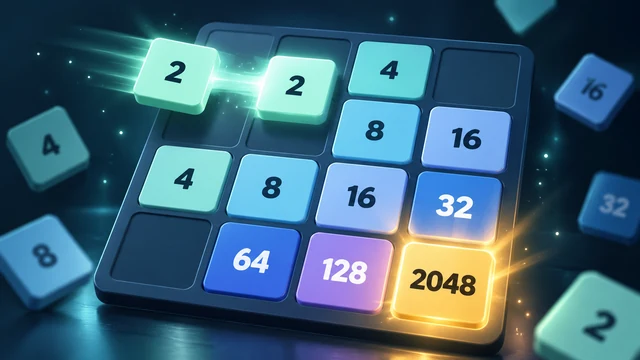 UpdatedNumber Merge: 2048
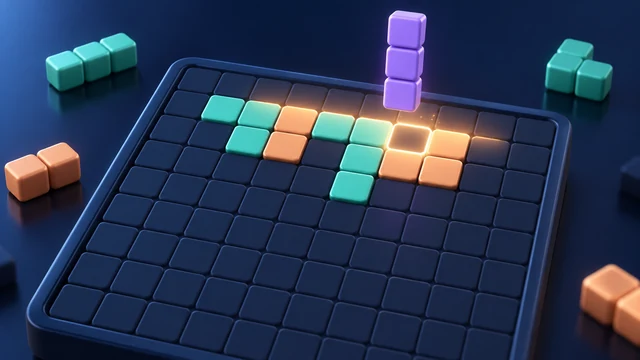 NewLuma Blocks
 NewChromatic Flow: Water Sort
 NewColor Sort
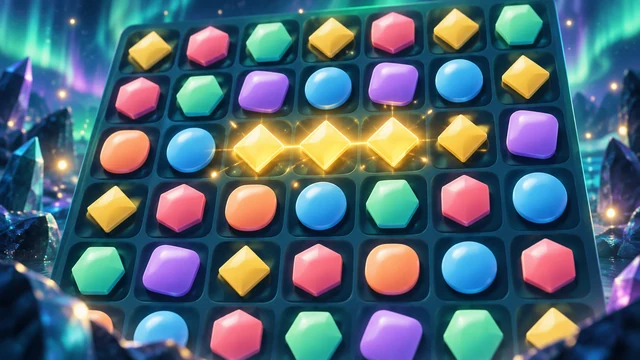 NewAurora Match
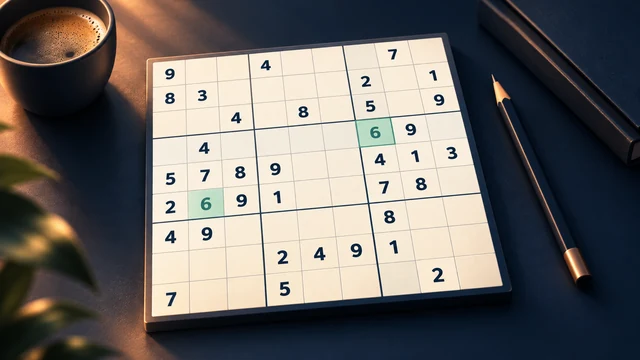 NewTrazo 9 Sudoku
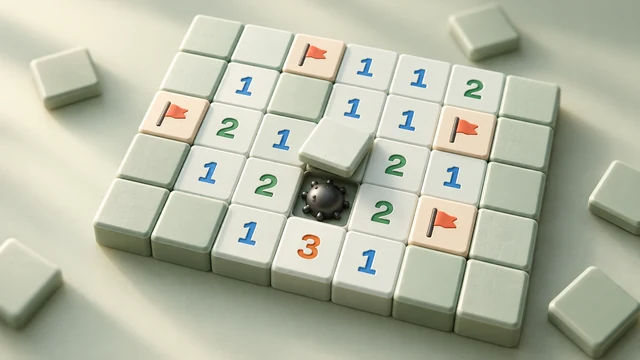 NewMinesweeper Field Ops
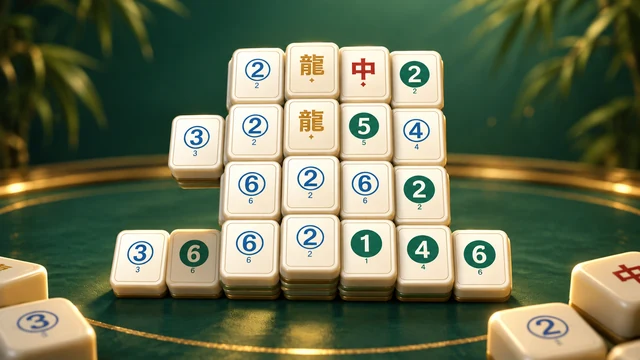 NewMahjong 3D
 NewJigsaw Puzzle
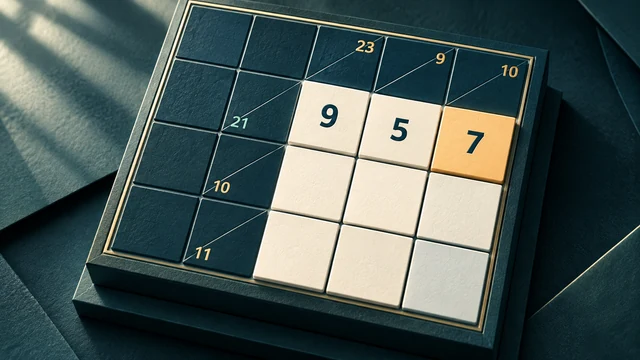 NewSumline: Cross Sums
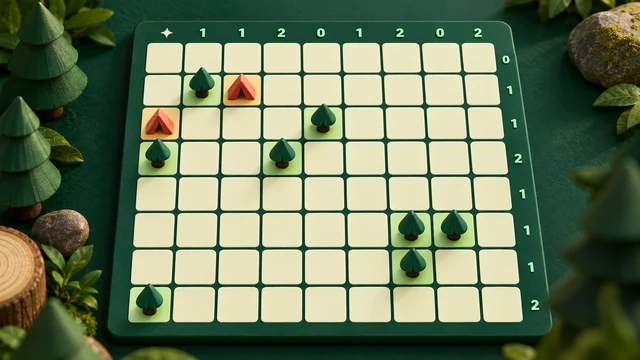 NewTents and Trees: Forest Camp
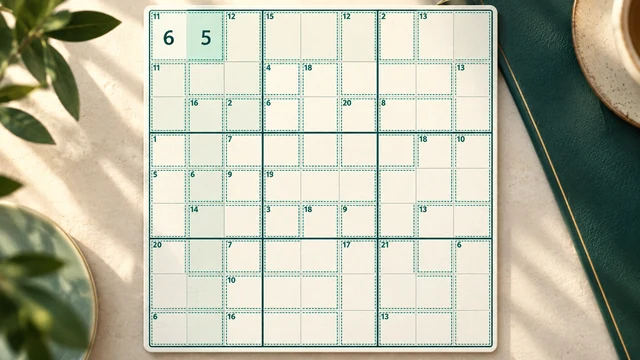 NewKiller Sudoku
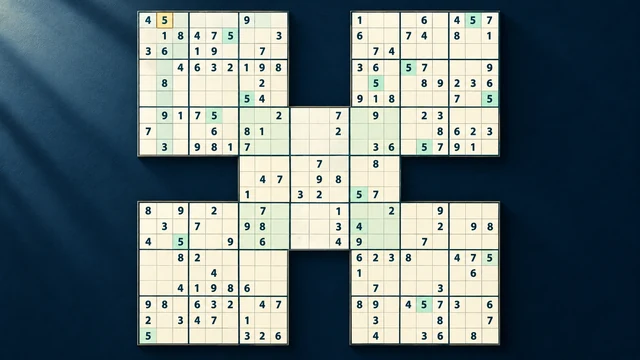 NewSamurai Sudoku
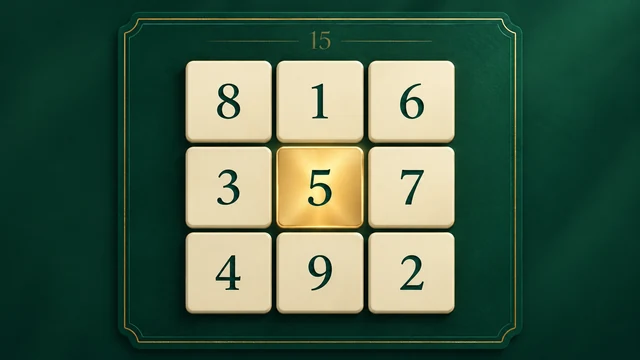 NewMagic Square
 NewTetris
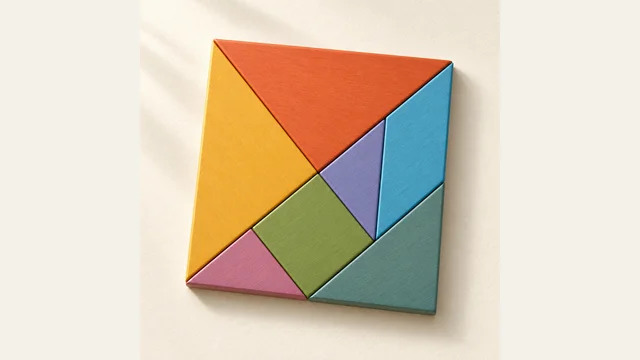 BetaTangram Atelier
 BetaDifference Atlas
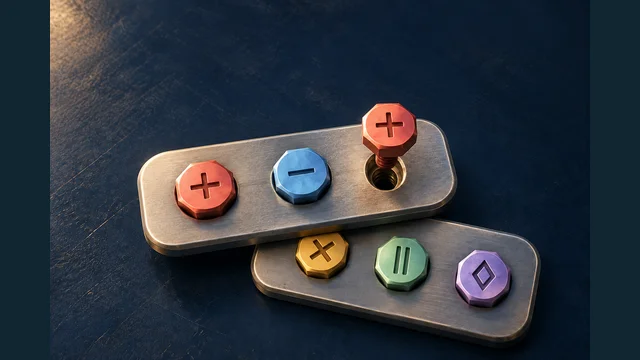 BetaScrew Workshop
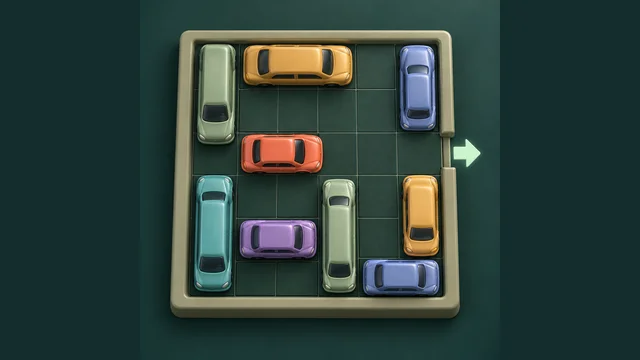 BetaParking Jam Puzzle
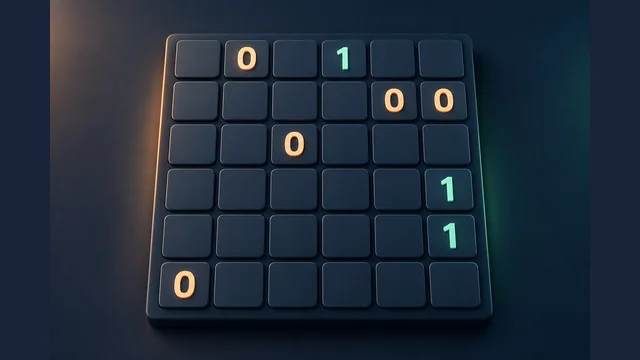 BetaBinario: Takuzu
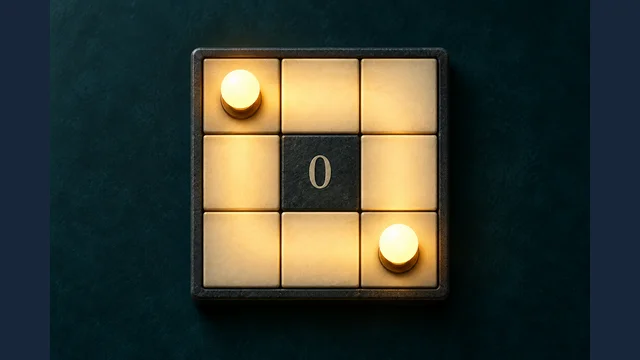 BetaAkari: Light Up
 BetaSkyscrapers
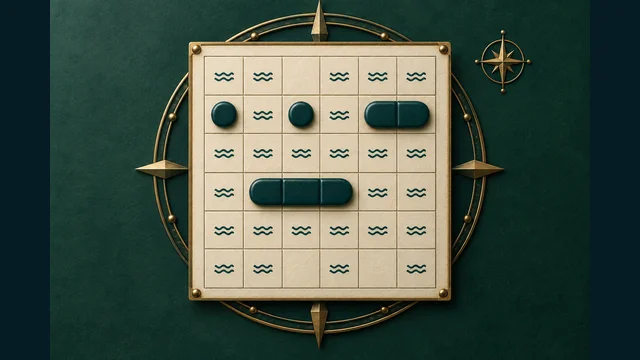 BetaFleet Logic: Battleship Solitaire
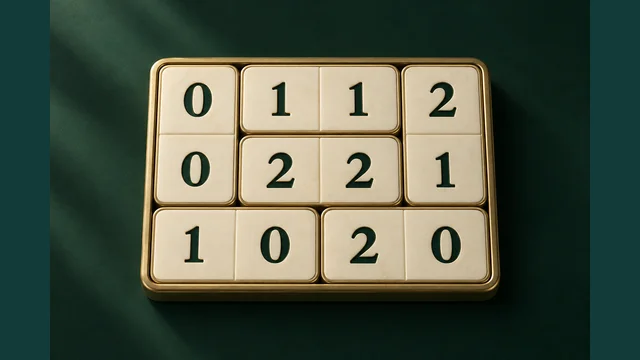 BetaDominosa
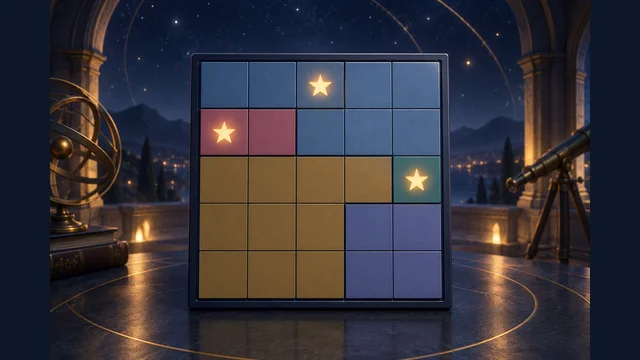 BetaEstrellas: Star Battle
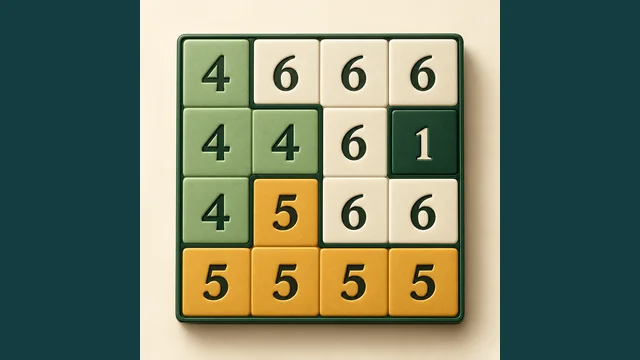 BetaFillomino
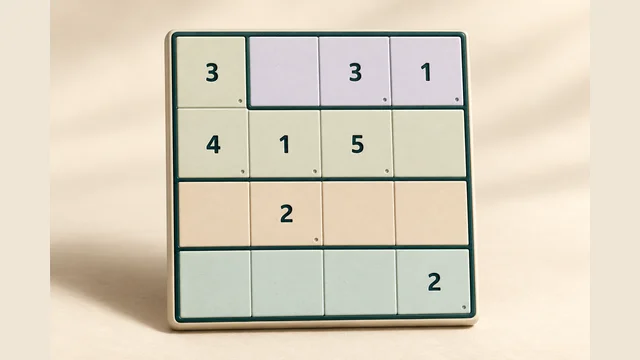 BetaRegions
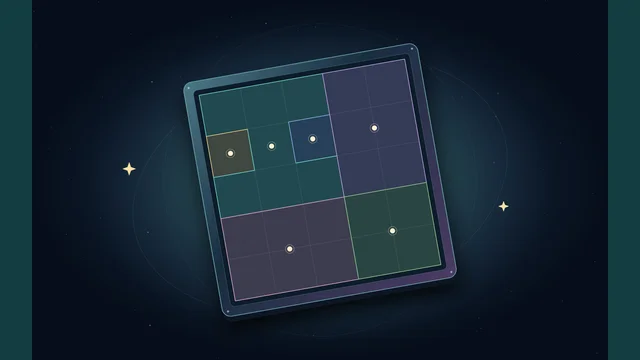 BetaSymmetric Galaxies
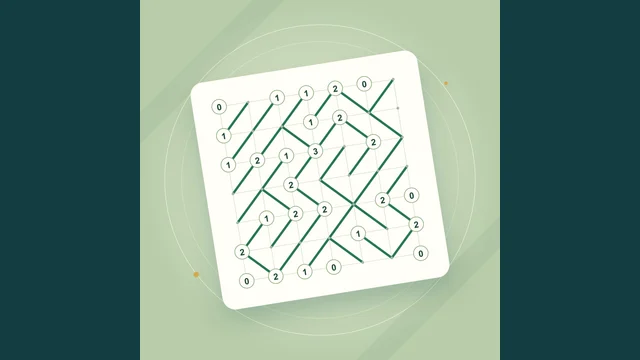 BetaDiagonals
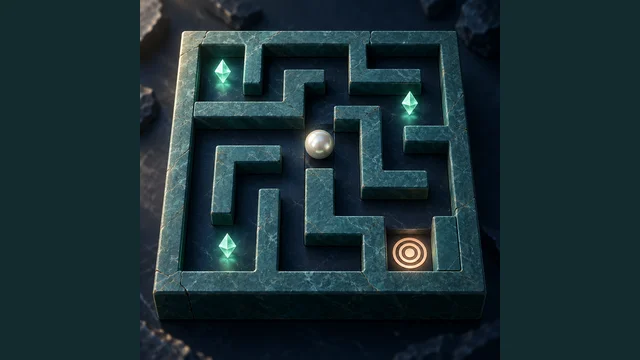 BetaMarble Maze
 BetaSequence Memory
 BetaBridge Builder
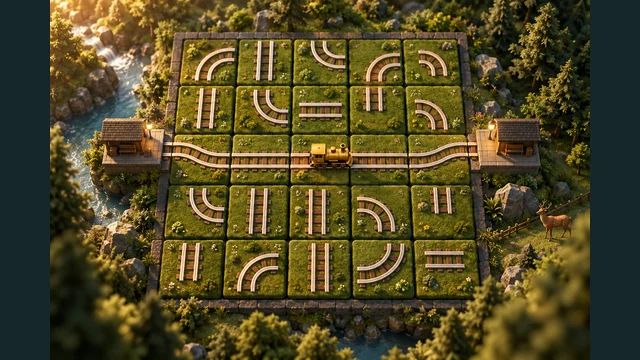 BetaRail Switch
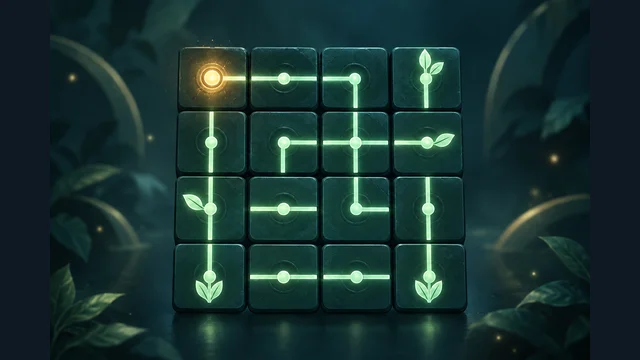 BetaSignal Garden
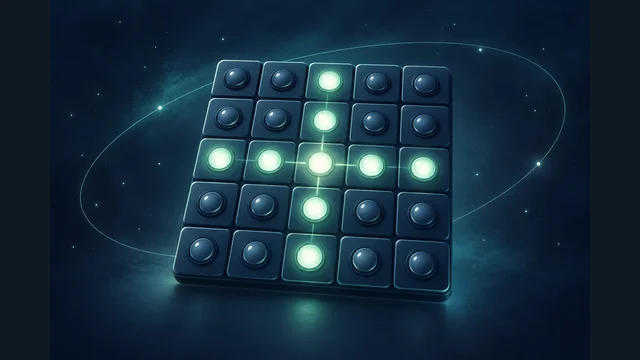 BetaOrbit Lights
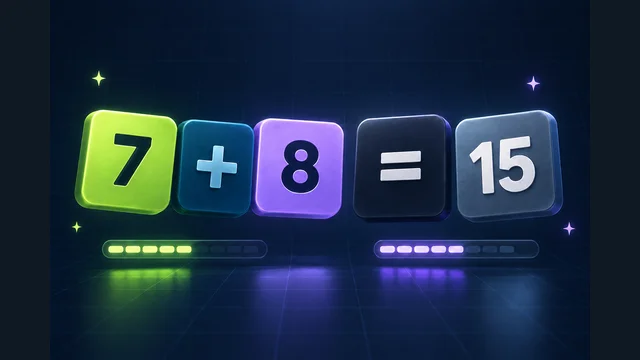 BetaMental Math Duel
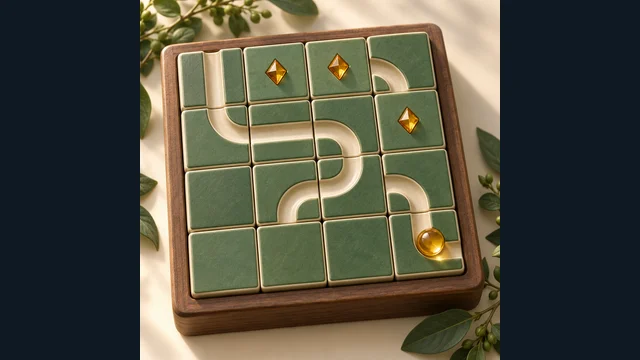 BetaMarble Run Builder
 BetaHistory Timeline Puzzle
 BetaAtlas Sprint: World Map Geography Game
 BetaFlag Quiz
Choose a puzzle by the way you like to think
The puzzle catalogue spans deduction, spatial planning, matching and memory. A number grid and a moving-block puzzle ask for different skills: choose the rules you want to reason about rather than assuming every puzzle is a timed reflex test.
Deduce the next move from clues
Nonogram Atelier uses row and column numbers to reveal a filled grid. Hitori reverses the task: shade repeated numbers while keeping the remaining light cells connected and dark cells apart. Try Nonogram when you want a visual result, or Hitori when you enjoy balancing several constraints at once.
Plan a sequence, not just one move
Tower of Hanoi is about moving a tower between pegs without placing a larger disk on a smaller one. Start with three disks to see how moving a small stack frees the largest disk. Fifteen: 15 Puzzle and Box Pusher offer other ways to practise planning around limited space.
Tower of Hanoi · Fifteen: 15 Puzzle · Box Pusher
Pick the interaction that suits you
Read the controls on the individual game page: grid marking, dragging pieces and moving a character are different interactions. Keep a useful marking system in deduction games and change one assumption at a time. A catalogue label does not promise that every game has hints, a daily puzzle or the same save system.
Explore board games · Read Zarocer guides
Questions about these games
What is the difference between Hitori and a nonogram?
A nonogram fills cells according to runs of numbers around the grid. Hitori starts with numbers inside the grid; you shade repeated values while obeying adjacency and connectivity rules.
Where should I start with a sequence puzzle?
Try Tower of Hanoi with three disks. Work out how to move the two smaller disks aside before moving the largest. Add disks only when the smaller sequence makes sense.