Portal news
The Zarocer blog is now live
Explore the new home for original game guides and practical browser gaming tips.
October 8, 2026 · ZarocerRead story
Kōnane, Surakarta and Game of the Goose are now in Zarocer’s catalog. Compare movement systems, same-device play and the two Beta releases.
By Zarocer · October 12, 2026 · 6 min read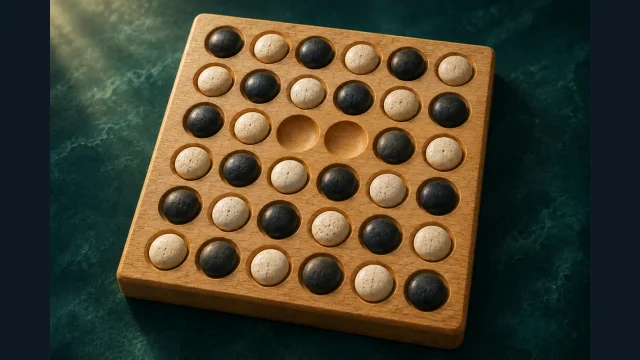
Zarocer's October 12 release adds Kōnane, Surakarta and Game of the Goose to the public English catalog. The games bring different board traditions into the browser, with modern digital implementations and their own declared rules. Kōnane is published as version 1.0.0. Surakarta and Game of the Goose are Beta builds, version 1.0.0-rc.1. Those statuses are part of the announcement, not details to hide behind a generic claim that every game is a finished stable release.
Each game has a canonical English game page, a native player and real gameplay media. Their addition expands the choices available through the current portal; it does not replace existing board games or introduce remote matchmaking. Same-device two-player modes are supported where the game describes them. Passing one screen between players is different from playing online with someone on another device. Read the mode label before choosing, especially if you are arriving from a search result that uses the broad phrase two-player browser game.
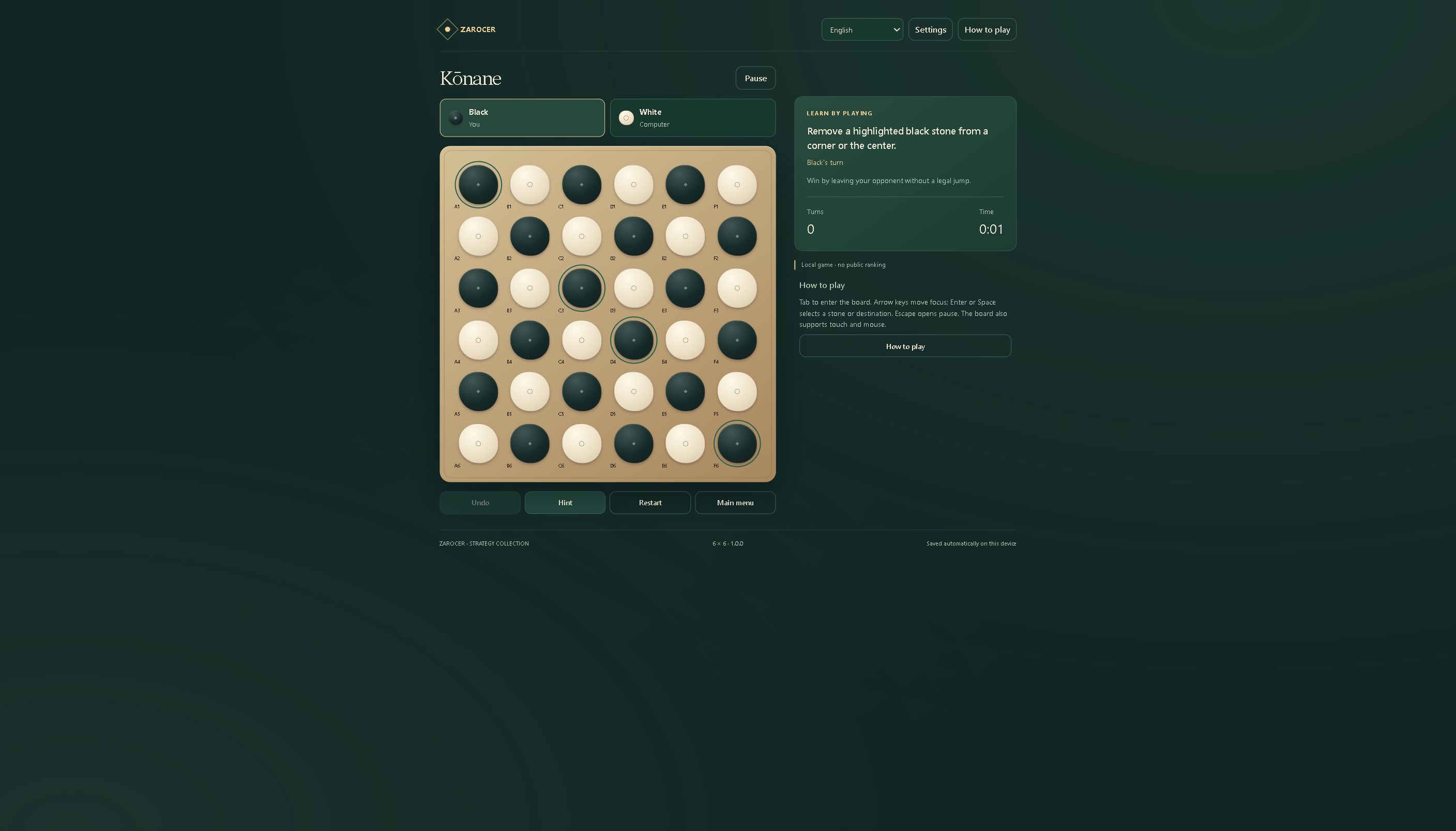
Zarocer's Kōnane uses a modern six-by-six board of alternating black and white stones. Black removes a highlighted corner or center stone, then White removes an adjacent stone. After those opening removals, each turn requires a jump over an opposing stone into an empty landing point. Multiple captures can continue in one direction, but turns and diagonal jumps are not allowed during a sequence. A player unable to jump loses. Captured stones do not become a points score, so material alone does not decide the match.
That distinction gives the game its practical appeal. A longer capture can remove more stones while making your next turn worse, because landing spaces and remaining opposing stones determine future jumps. An interactive lesson introduces the opening and first capture. Three computer difficulties, two-player same-device play and a fixed challenge against the Expert computer provide different ways to explore the system. Hints and undo are useful learning tools, while assisted and restored sessions are excluded from competitive candidacy under this edition's stated behavior.
Surakarta uses a six-by-six grid with twelve stones per player and corner loops. Ordinary moves step to an empty adjacent point, including diagonals. Captures follow a clear track through at least one loop to the first opposing stone encountered. The moving piece cannot jump intervening stones or turn freely at grid crossings. Capturing is optional. This separates it from games where every turn must take a piece and makes route preparation a meaningful decision rather than an ornamental feature of the board.
The Beta edition includes three computer levels, local two-player play and an interactive capture lesson. Explicit digital adjudication handles repeated positions, turn limits and blocked games by remaining material. Players should read those in-game details rather than assume that every traditional or online rules description has the same closing conditions. Hints, undo and saved restoration support local exploration. The release announces the working Beta experience that was tested, not a promise that every future rule adjustment has already been settled or that an international competitive ladder has opened.
Game of the Goose follows a sixty-three-square spiral in a single-die variant. Choose a computer opponent, pass the device between two players or try the daily journey. Goose squares move you to the next goose and let you roll again. The bridge provides a shortcut, while the inn, well and prison impose fixed waits. The maze moves you backward, and the new-beginning square returns you to the start. These effects create the race's reversals without asking players to calculate a deterministic capture strategy.
You must reach square sixty-three exactly. Excess movement bounces backward rather than winning immediately. The Beta version uses bounded waits and explains its rules inside the game, so players are not left waiting indefinitely for another piece to rescue them under an unrelated house rule. Tap a square to inspect its effect, or use Space to roll. The game is explicitly luck-based. This article does not claim that mastering a special tactic will control the die or turn the race into a reliable test of skill.
Kōnane suits a session focused on compulsory jumps and future mobility. Surakarta offers ordinary steps mixed with unusual loop captures. Game of the Goose is the lighter choice when you want to follow the board and react to the die's consequences. These differences are more useful than calling all three strategy games simply because they use boards. The new catalog descriptions preserve that distinction. A player can choose an interaction before committing to a match instead of discovering halfway through that the game demands a different kind of attention.
For a shared-device session, read the turn display and native controls together before starting. A small screen can still host two players taking turns, but it does not become two simultaneous remote clients. For computer play, difficulty choices belong to the individual implementation. They should not be interpreted as equivalent skill ratings across Kōnane and Surakarta. Begin with the tutorial or capture lesson where available, then choose a level that leaves room to understand what happened. Winning one match is not evidence that every rule or ending was tested by the player.
Native saving uses browser storage where available. Returning through the same browser and Zarocer domain preserves the expected context for continuation; changing browser or clearing site data can affect it. A bookmarked game page is a route back to the title, not an exported match. None of these additions announces cloud saving. Likewise, native challenges and local results should not be described as active public rankings merely because the game has a daily or fixed mode. Competitive activation remains separate from this catalog publication.
The release was reported and publicly verified by the responsible technical Work. That evidence covers the integration and tested scope; it does not make every browser, operating system or possible board position certified. Beta labels remain visible on the two relevant games, and the catalog retains the current controls, version metadata and screenshots. This announcement stays within those facts. It does not invent a historical narrative, designer quotation or development promise to make the release sound larger than the actual additions.
Open each game page for its instructions and supported inputs before playing. The companion Kōnane guide focuses on legal landing spaces and why the biggest capture may not be best. The Surakarta guide explains how to trace a loop route without jumping blockers or turning at crossings. Game of the Goose's native square help is the direct reference for its special spaces. Those destinations keep deeper instructions close to the correct rules instead of forcing one interchangeable how-to template onto all three boards.
The wider catalog also contains established games for players who want a familiar alternative, including Reversi and Tile Rummy. Use those links to choose a different session rather than treating the new arrivals as replacements. This release's value is variety with clear boundaries: one jump-based game, one loop-capture game and one luck-based race, all on the existing Zarocer portal. Future updates can be reported when they exist. Today, the useful news is that these specific published builds are available and their actual differences are explained.
Open Kōnane and its current controls
Compare Surakarta’s loop captures
Read the Kōnane mobility guide
Explore the new home for original game guides and practical browser gaming tips.
October 8, 2026 · ZarocerRead story
Two-column mobile category grids, a visual category directory and answers to common playing questions.
October 8, 2026 · ZarocerRead story
Flag Quiz’s October 10 catalog release brings 20-question rounds, 30 flags, missed-answer review and a UTC daily challenge. Explore the available build.
October 11, 2026 · ZarocerRead story
Explore Atlas Sprint’s October 10 catalog release: 93 selectable countries, continent practice, map controls and a 12-country daily challenge.
October 11, 2026 · ZarocerRead story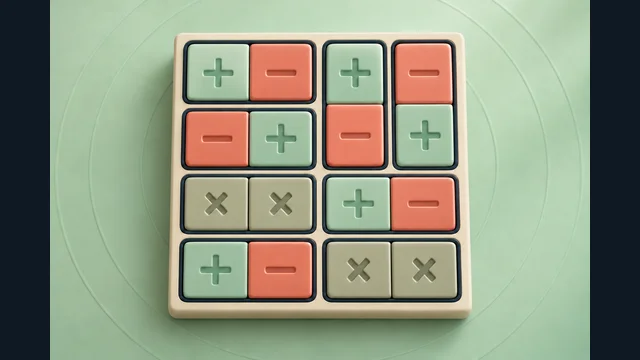
Magnets Puzzle’s October 10 catalog release combines paired poles, exact row and column clues, progressive campaign boards and a UTC daily puzzle.
October 11, 2026 · ZarocerRead story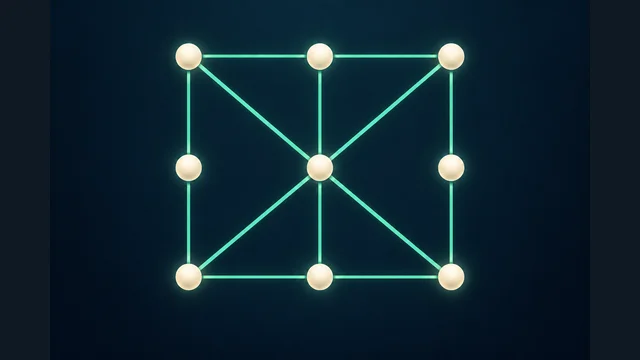
Untangle Puzzle’s October 10 release offers 24 Journey stages, a daily network and a 90-second mode. See the real English board and available controls.
October 11, 2026 · ZarocerRead story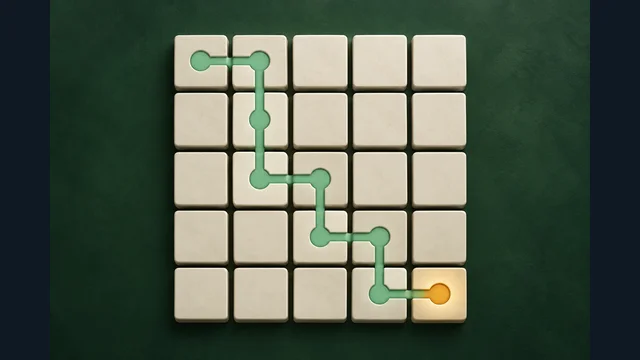
Number Ladder’s October 10 catalog release brings checkpoint paths, a 12-level Journey, practice sizes and a shared daily 5 × 5 board.
October 11, 2026 · ZarocerRead story
Zarocer’s October 12 release adds Letter Hive, Word Quartets, Sentence Building and Typing Speed Race. Explore their distinct modes and launch limits.
October 12, 2026 · ZarocerRead story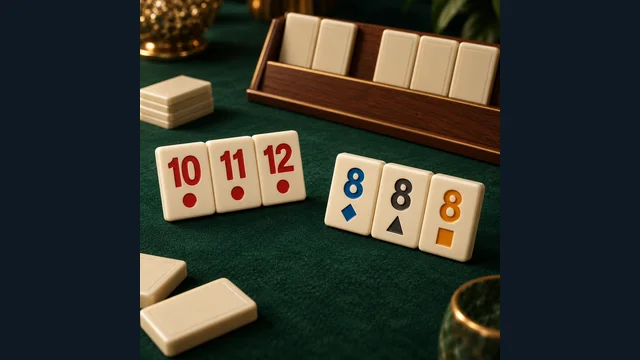
Tile Rummy 1.2.0 is live on Zarocer. Read the current variant, daily deal and reported old-save compatibility without changing the established game URL.
October 12, 2026 · ZarocerRead story