Portal news
The Zarocer blog is now live
Explore the new home for original game guides and practical browser gaming tips.
October 8, 2026 · ZarocerRead story
Flag Quiz’s October 10 catalog release brings 20-question rounds, 30 flags, missed-answer review and a UTC daily challenge. Explore the available build.
By Zarocer · October 11, 2026 · 7 min read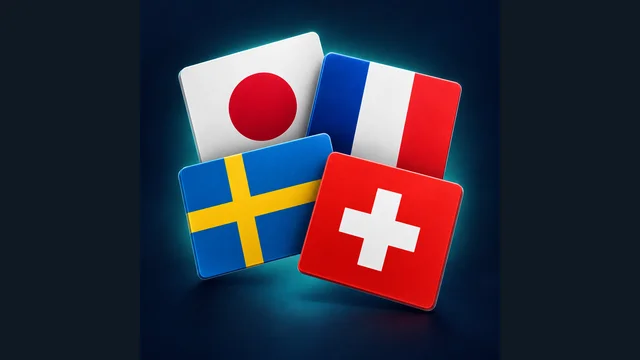
Flag Quiz is part of the group of games recorded as published in Zarocer's catalog on October 10, 2026. The reviewed version is 1.0.0, and its playable page opens the English interface. This report describes that available build rather than announcing an unverified future update. The central challenge is straightforward: look at a national flag and choose the country it represents from four possible answers.
The compact format makes the release different from a world-map identification game. You are comparing colors, stripes and proportions rather than finding a geographic outline. Each session contains twenty questions drawn from thirty country flags. The result includes a review of missed flags, so a session provides information about the errors as well as a total score. That review is an important part of what players can actually use after finishing a round.
A twenty-question session has a defined endpoint. The game displays the current question and progress through the round, rather than asking you to continue indefinitely without knowing how much remains. The available catalog description identifies fifteen correct answers as the win threshold. Players can therefore understand both the length of the task and the target before they begin.
This does not make the quiz a comprehensive test of world geography. Its published collection contains thirty flags, not every national flag, territory or historical design. A correct result shows how you performed on the questions selected from that collection. It should not be presented as certification, a curriculum assessment or proof that you can recognize every flag outside the game. The more useful first goal is to understand the distinctions among the flags you actually encounter.
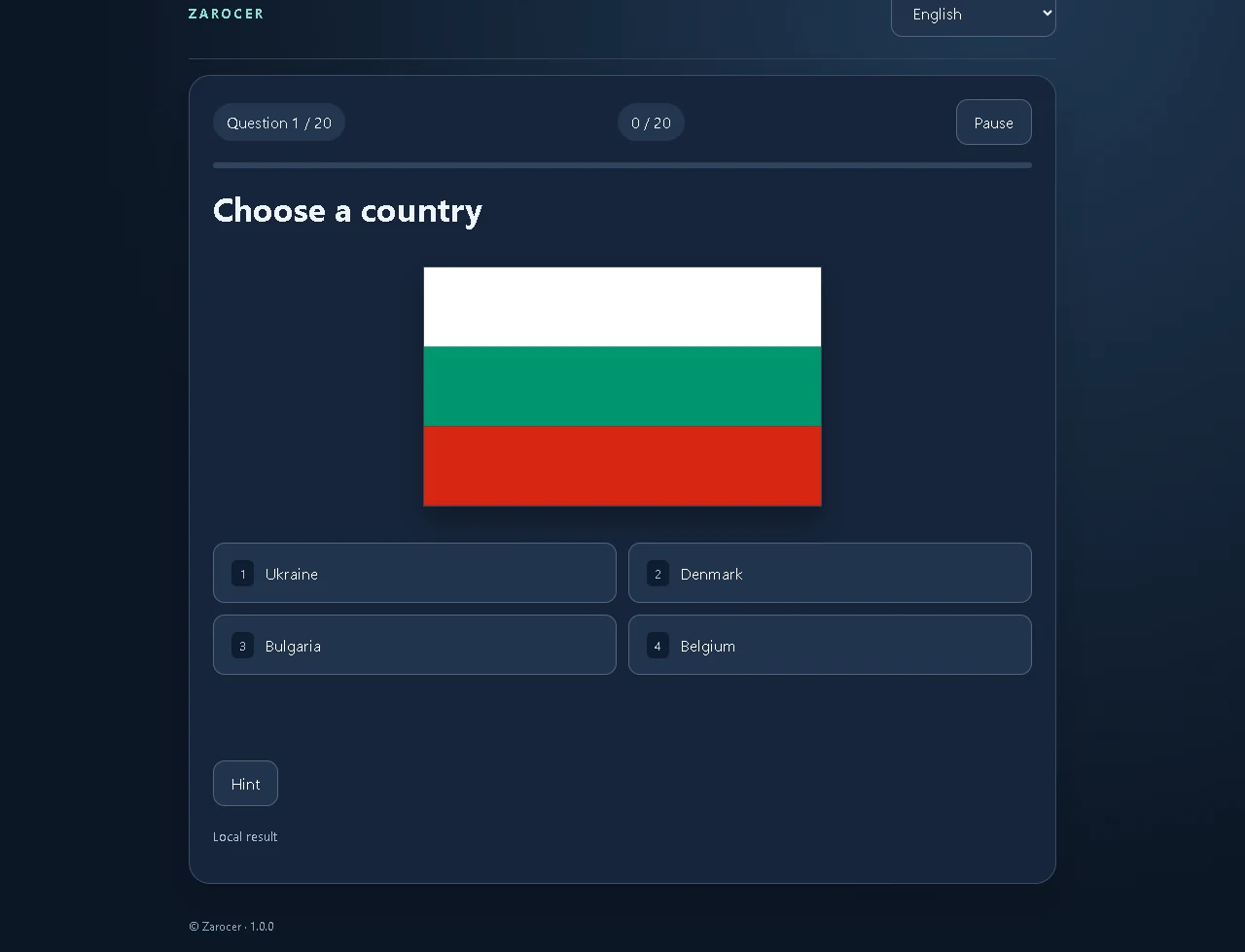
The interface shows four country names for each question. You can select an answer by clicking, tapping or pressing keys one through four. After the feedback, use Next to continue. This separates making a choice from moving onward, giving you a moment to compare your answer with the correct one instead of immediately replacing the image with another question.
The English gameplay capture included with this report shows Bulgaria's white, green and red horizontal bands, alongside four answer choices. It is a specific example from the reviewed build, not an answer sheet for the full quiz. Observe the order of the bands before reading the options. Similar colors in a different order are a different visual pattern, and the available answers can make a familiar-looking flag more demanding than it initially appears.
Practice offers a fresh selection and optional hints. It is the appropriate place to spend time examining a flag, checking what you missed and trying another round. The daily challenge presents the same questions for the UTC day and resets at midnight UTC. These modes provide two reasons to return, but they should not be described as interchangeable sessions with identical assistance rules.
A shared daily selection does not by itself establish a public competitive service. The reviewed controls state that hints and restored games produce local results only. Portal-wide rankings are a separate system, and this article does not announce their activation. Players can enjoy a common dated challenge without assuming that every result is uploaded, verified or visible to other accounts. The actual interface and current result label remain the relevant references.
After a round, the result review identifies missed flags. This gives the player something more actionable than a single number. If you confused two designs, compare the feature that mattered: the stripe order, a contrasting band, an emblem or the overall layout. A useful review is specific enough to change how you approach a similar image next time.
It is possible to improve a subsequent attempt simply by remembering the correct name, but examining the visual distinction can be more satisfying. Treat the review as an opportunity to notice what you overlooked rather than as a reason to repeat questions without looking at the flags. The game does not promise measurable educational outcomes, and this report does not infer them. It documents a feedback feature and suggests an ordinary way to use that feature thoughtfully.
The published description lists eleven in-game languages and allows switching without restarting the session. That is a feature of the game interface. It does not mean Zarocer has introduced eleven public language versions of the game page, nor does it justify new localized URLs or hreflang equivalents that do not exist. The portal's public architecture remains English.
Language switching can help someone read the available answer names comfortably, but it is still the same flag-identification task. The flags themselves are the visual subject of the question. A change in displayed language should not be interpreted as a different game ID, a new edition of the daily selection or a separate online profile. The catalog and native release information identify one reviewed version, with language options inside that version.
The four numbered answer options make keyboard input particularly direct. On desktop, keys one through four select an answer, while Escape opens pause. Pointer users can click the same visible choices. On a supported touchscreen, tapping a country name provides the corresponding interaction. These alternatives let the player focus on the image rather than requiring a precise movement gesture.
The layout shown in the screenshot is a desktop capture, so it should not be treated as proof of every phone's dimensions. Use the playable page to check the supported device information and the current interface on your own screen. The release provides touch controls, but this report does not claim that installation as a native PWA has been certified on every operating system. Playing in a browser and installing the portal are separate capabilities.
The catalog states that local saves allow a session to resume when browser storage is available. That means the current browser and origin matter. Returning to Zarocer in the same profile is different from opening the game on another domain or device. A favorite supplies a route back to the page, not a transferable copy of the quiz's internal state.
Restored sessions are identified as local results in the reviewed rules. This is worth understanding before comparing them with an unassisted daily attempt. Assistance and restoration can preserve a useful playing experience without establishing a competitive submission. No account is required simply to play the published build. The article does not announce cloud synchronization, an import service or a change to historical user data.
Atlas Sprint, another geography title in the same catalog group, asks you to select a country's outline on a map. Flag Quiz asks you to recognize a design and select a name. Knowing where a country lies does not automatically identify its flag, and recognizing its flag does not automatically tell you where to click on a map. The two games support different observations even when both refer to countries.
This distinction helps explain why the games can appear in related geography collections without becoming duplicate experiences. Choose Flag Quiz for colors and designs; choose Atlas Sprint for location, shape and neighboring regions. Their existence does not prove that every geography collection deserves a separate indexable page. The news concerns the published games themselves and links to their current playable pages, leaving broader category and indexability decisions separate.
The reviewed release confirms twenty-question sessions, thirty flags, four choices, practice, the UTC daily challenge, missed-answer review, eleven languages and local continuation. It does not confirm worldwide leaderboards, live multiplayer, cloud saves or future expansion of the flag collection. Those features should not be added to a release description merely because they would sound attractive beside a daily challenge.
Open Flag Quiz to inspect the controls and begin a session. When you finish, use the missed-answer review before starting another attempt, or compare the map-based task in Atlas Sprint. This report is dated when prepared for editorial review; it does not change the catalog's October 10 publication record. Any later update should be described from its actual build and evidence, rather than retroactively treating this first catalog report as a promise about future development.
Explore the new home for original game guides and practical browser gaming tips.
October 8, 2026 · ZarocerRead story
Two-column mobile category grids, a visual category directory and answers to common playing questions.
October 8, 2026 · ZarocerRead story
Explore Atlas Sprint’s October 10 catalog release: 93 selectable countries, continent practice, map controls and a 12-country daily challenge.
October 11, 2026 · ZarocerRead story
Magnets Puzzle’s October 10 catalog release combines paired poles, exact row and column clues, progressive campaign boards and a UTC daily puzzle.
October 11, 2026 · ZarocerRead story
Untangle Puzzle’s October 10 release offers 24 Journey stages, a daily network and a 90-second mode. See the real English board and available controls.
October 11, 2026 · ZarocerRead story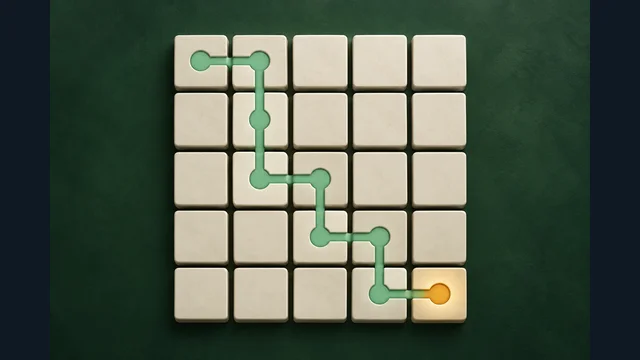
Number Ladder’s October 10 catalog release brings checkpoint paths, a 12-level Journey, practice sizes and a shared daily 5 × 5 board.
October 11, 2026 · ZarocerRead story
Zarocer’s October 12 release adds Letter Hive, Word Quartets, Sentence Building and Typing Speed Race. Explore their distinct modes and launch limits.
October 12, 2026 · ZarocerRead story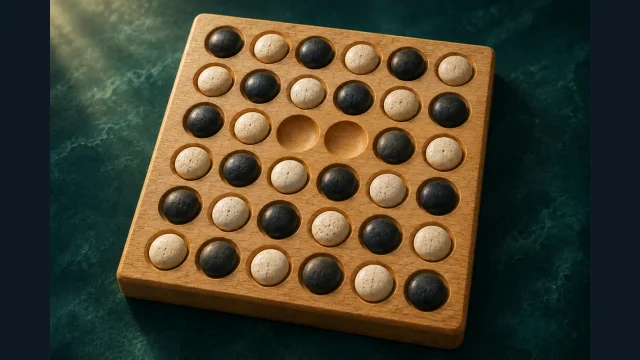
Kōnane, Surakarta and Game of the Goose are now in Zarocer’s catalog. Compare movement systems, same-device play and the two Beta releases.
October 12, 2026 · ZarocerRead story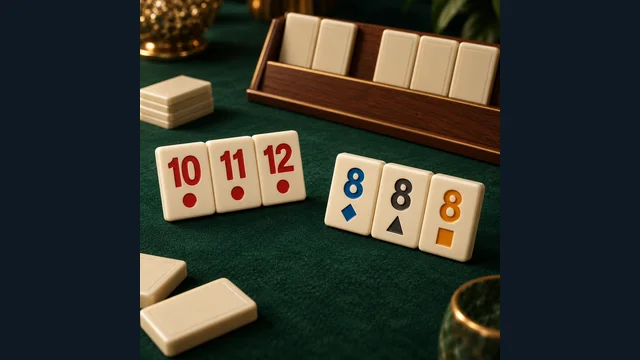
Tile Rummy 1.2.0 is live on Zarocer. Read the current variant, daily deal and reported old-save compatibility without changing the established game URL.
October 12, 2026 · ZarocerRead story